The main entrance, or the official entrance of Bucharest's Palace of Parliament, is a spectacle on its own, with two giant staircases on either side of the room built specifically for the King and his wife’s grand entry during events. You are greeted by a beautiful red carpet and an unmissable chandelier as soon as you enter the Romanian Parliament building, setting the tone for what to expect in terms of grandeur and architecture.
Highlights of the Palace of Parliament in Bucharest
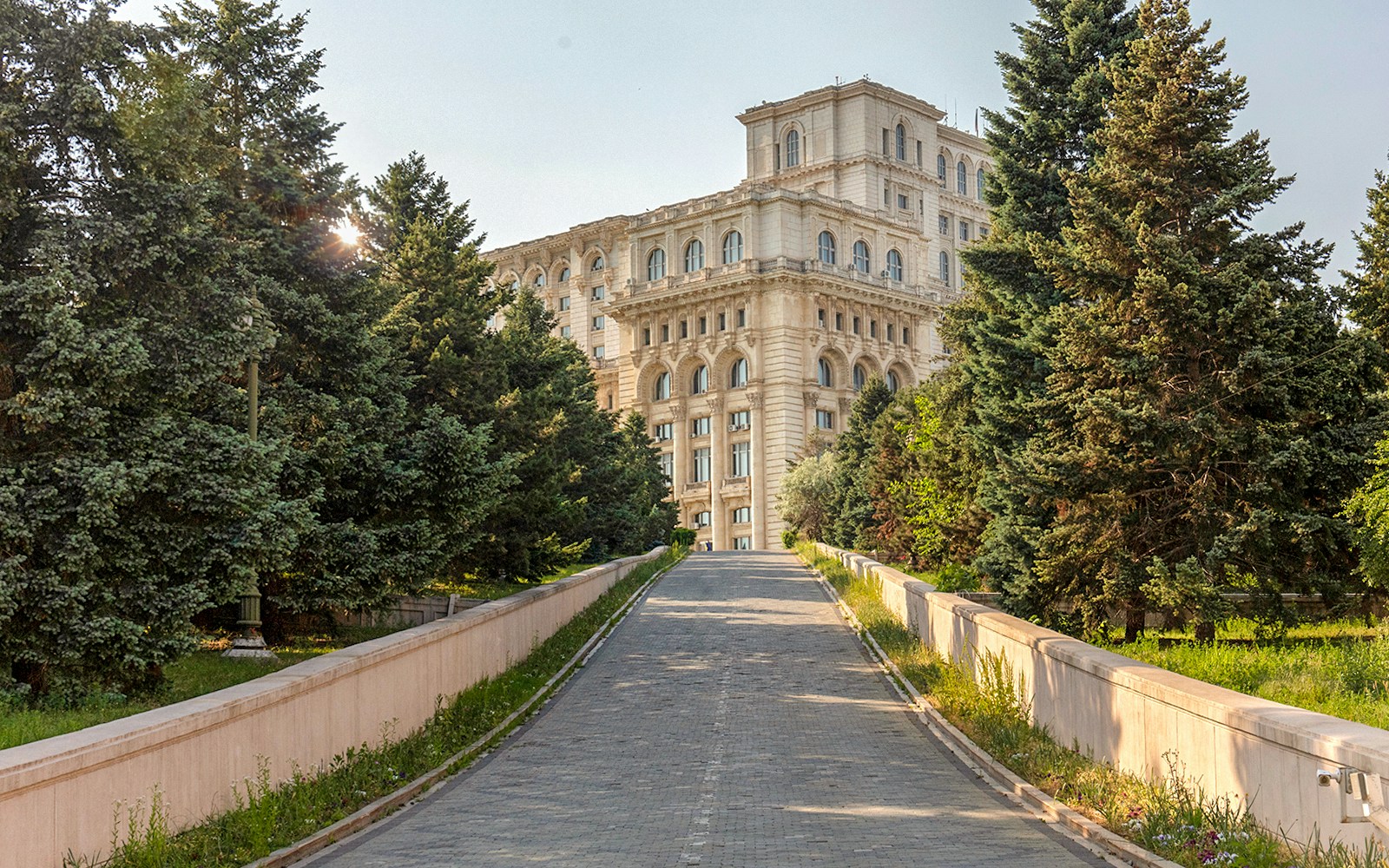
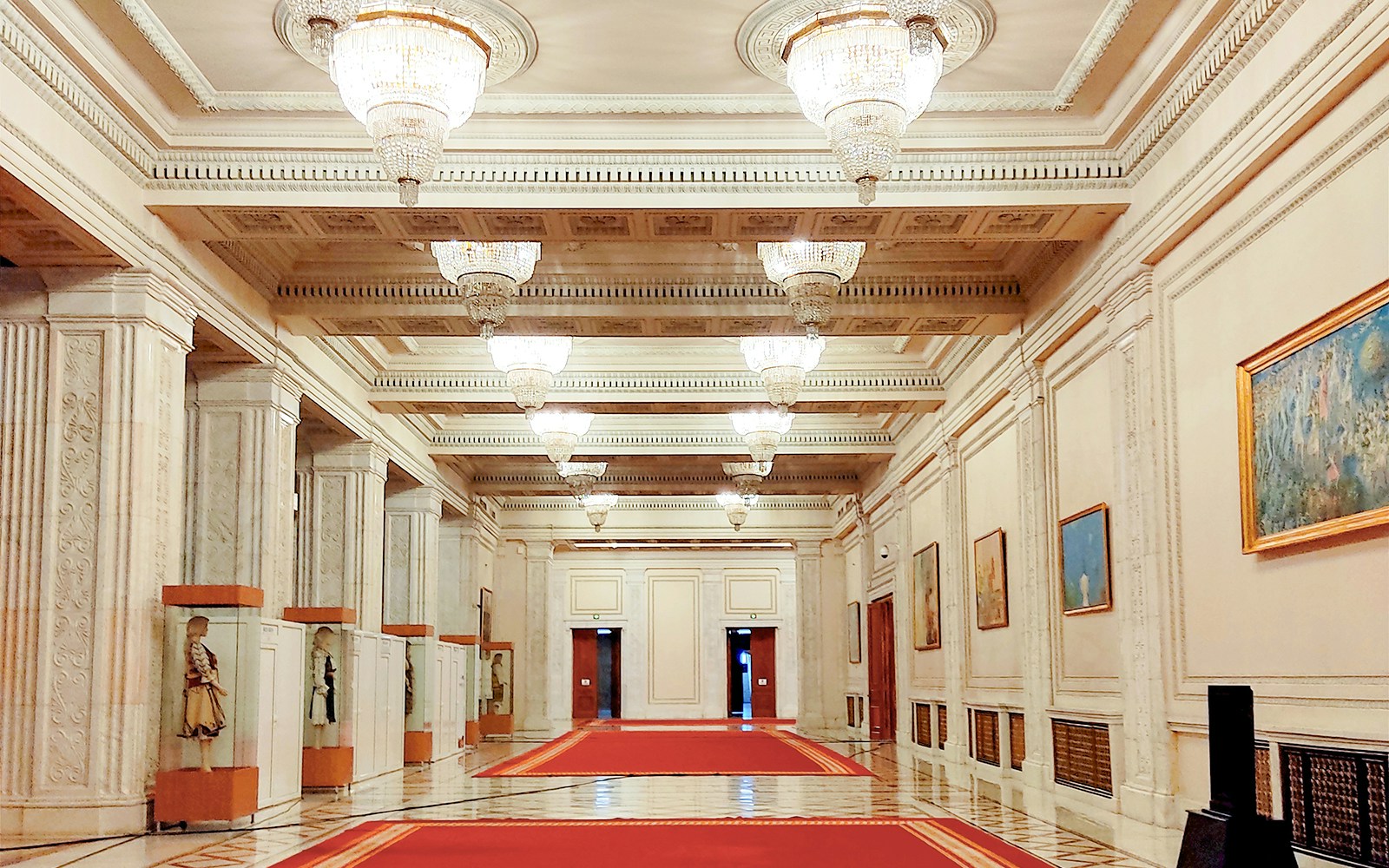
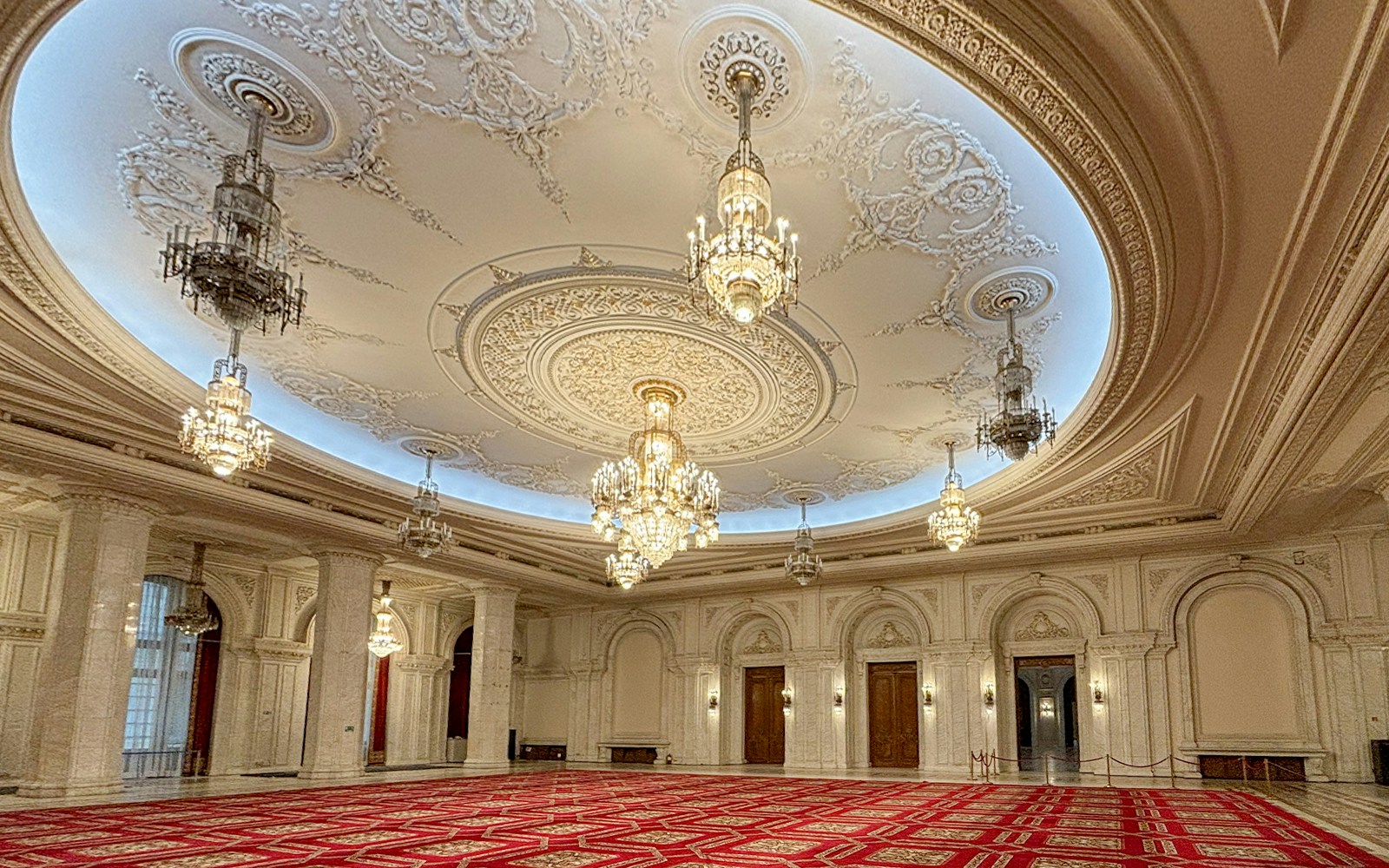
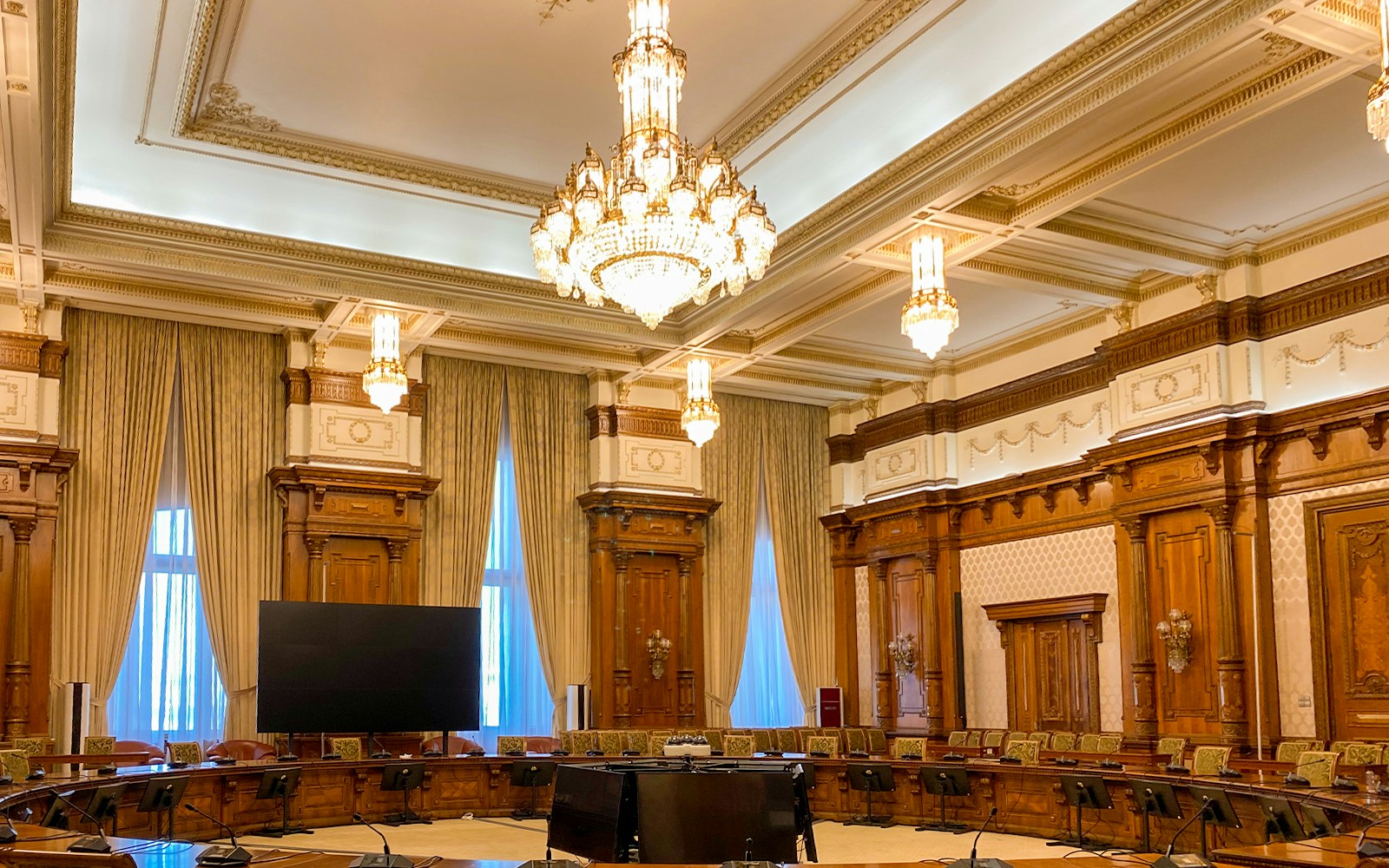
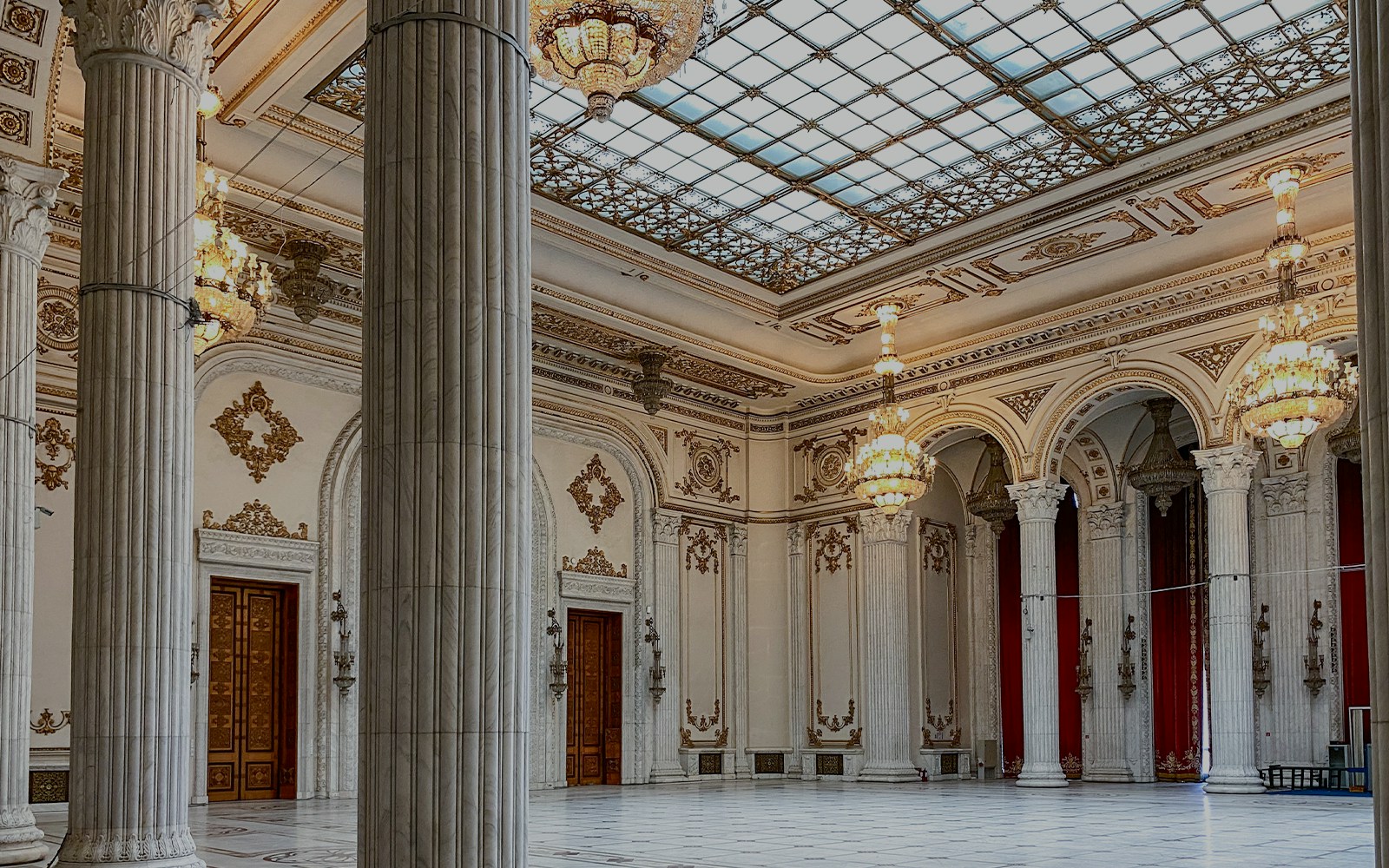
A glimpse inside the Palace of Parliament Bucharest: what to see and do?
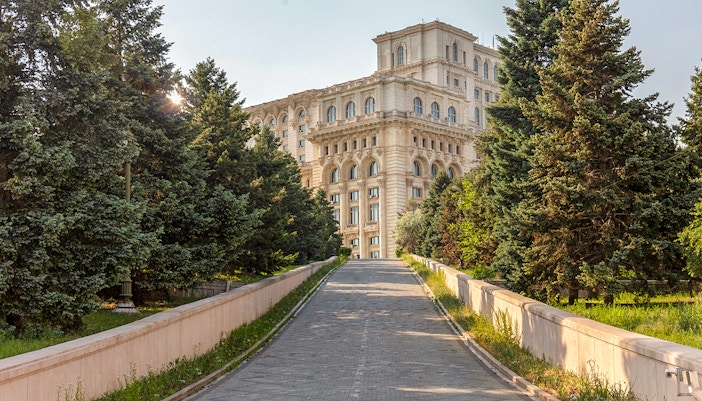
Main entrance
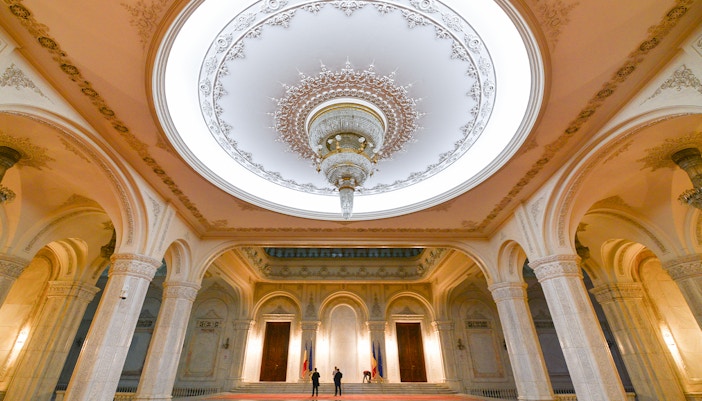
Magnificent decorations
The Palace of Parliament in Romania is a treasure trove of lavish interiors adorned with gold leaf and crystal chandeliers and grand furnishings. Inside, you can see the exquisite craftsmanship displayed in the ornate ceilings, detailed statues, intricate woodwork, and luxurious furnishings throughout the palace. Don't miss the stunning crystal chandelier in the Union Hall, a masterpiece weighing over 3 tons and composed of thousands of crystals.
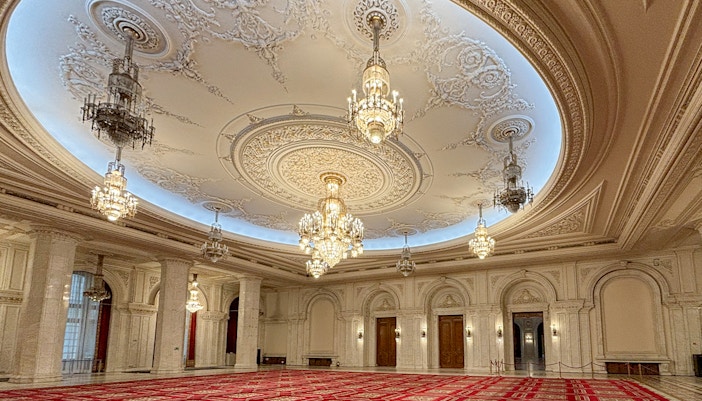
Human Rights Hall
The Human Rights Hall is arguably one of the most aesthetic areas of the Bucharest parliament building. It was built to conduct meetings of the executive political committee of the Communist Party during Nicolae Ceaușescu’s reign. The 60-seater round table, long pastel-colored curtains, stylish interiors, and the second-largest chandelier in the parliament palace come together to create one of the grandest and most impressive rooms you will ever see.
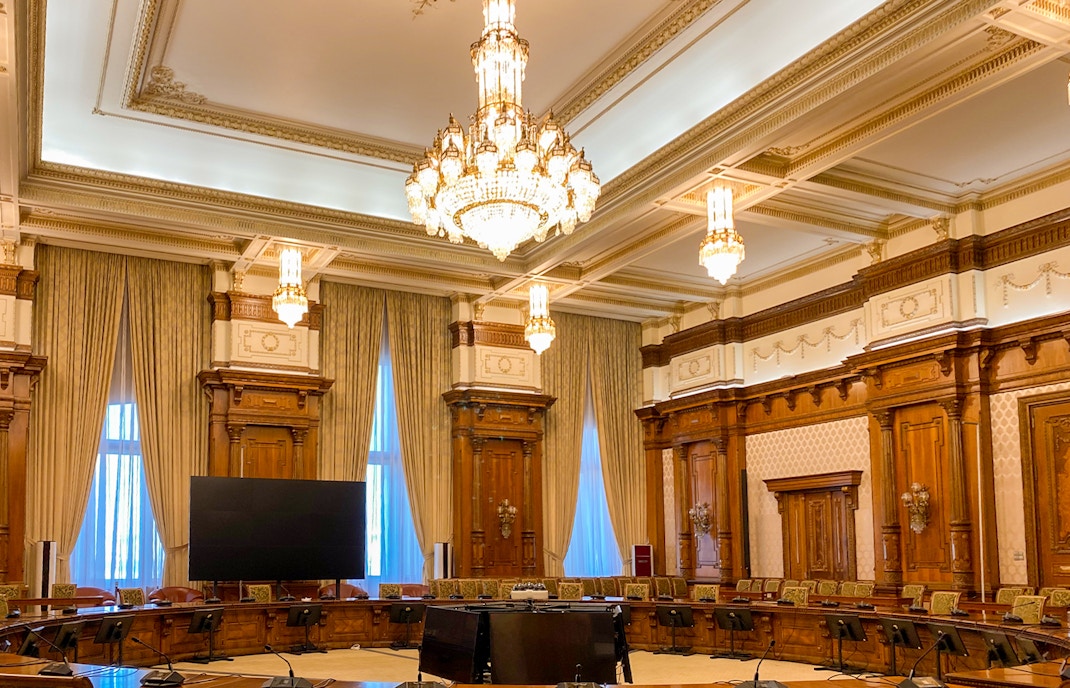
Take Ionescu Hall
The Take Ionescu Hall, just like all the other areas in the Palace of the Parliament, is nothing short of impressive. Characterized by long supporting pillars, magnificent arches, and ornate interiors, this hall is one of the most fascinating rooms in the Palace of the Parliament because of its acoustics. The acoustics elements were designed to create a grand euphoric effect when people applauded Ceaușescu while welcoming him during special events.
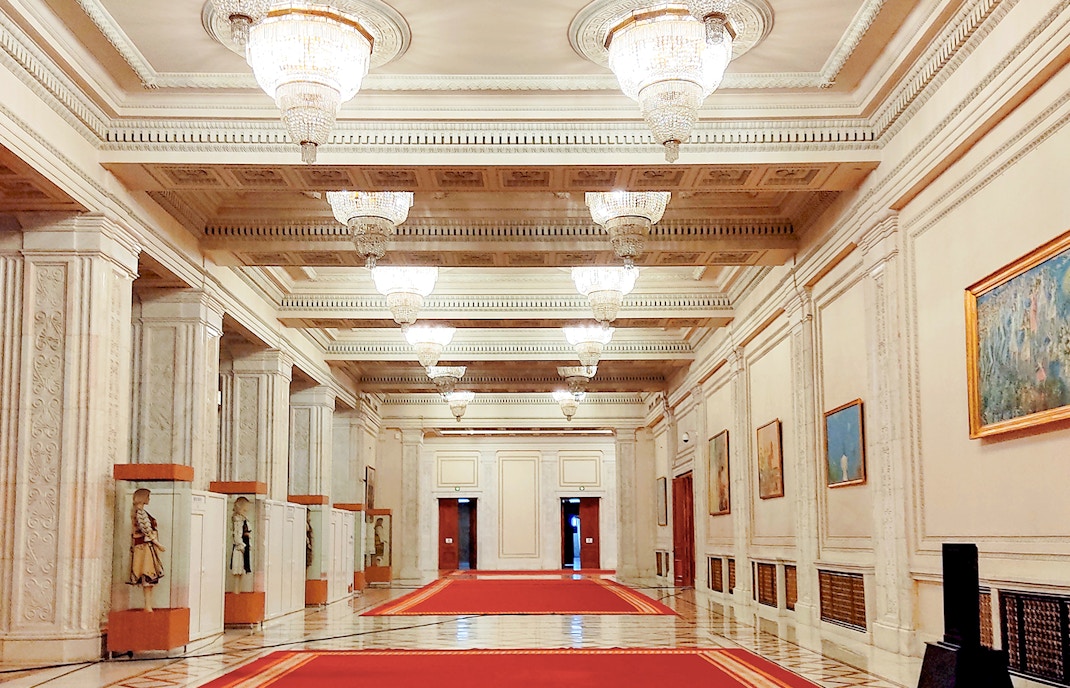
Nicolae Titulescu Hall
The Nicolae Titulescu Hall inside the Palace of the Parliament in Bucharest, Romania, is currently used to host and conduct official meetings by the President of the Senate and the President of the Chamber of Deputies. The interiors and architecture of this magnificent hall have a French influence, with beautiful arches on either side of the room, tall curtains, a soothing pink carpet, and a stunning chandelier.
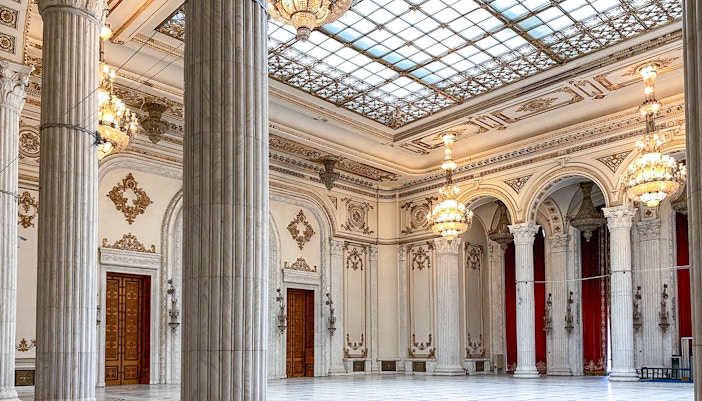
Union Hall
With more than 2200 square meters in area, the Union Hall is the largest hall within the Romanian Parliament building in Bucharest. You will notice 10-meter-long empty arched spaces on either side of the room for Ceaușescu and his wife's portrait. However, their portraits never made it there. Although the story isn't verified, legend has it that Ceaușescu wanted a retractable roof so that his helicopter could land or take off from the hall.
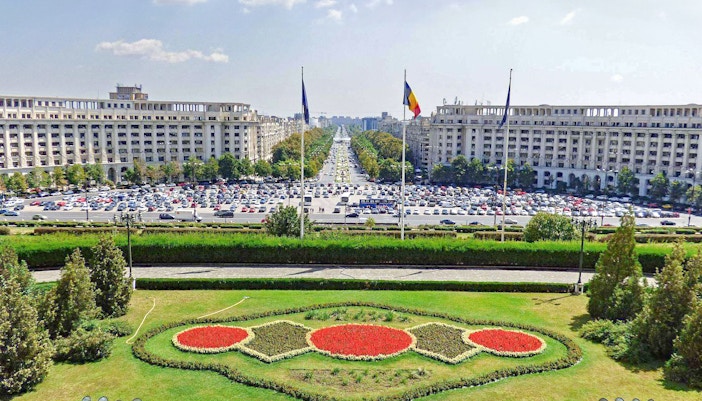
Alexandru Ioan Cuza Hall
Considered to have the highest ceiling in the Parliament House of Bucharest, the Alexandru Ioan Cuza Hall offers views of Unirii Boulevard thanks to its balcony. Interestingly, Ceaușescu wasn't the first to address the crowd from here, but global icon Michael Jackson. Jackson, to date, remains the only person to address a crowd from the balcony.
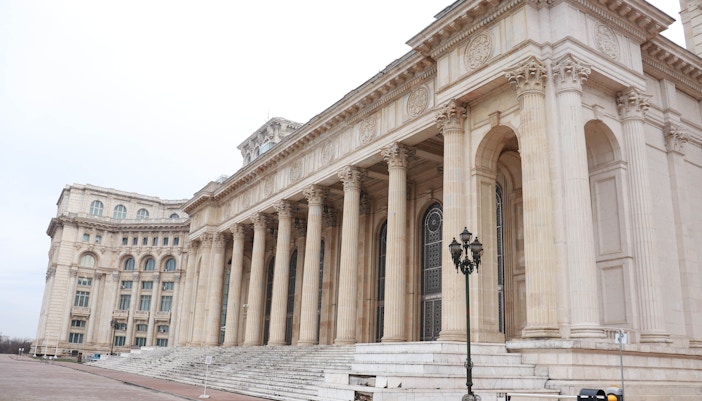
The National Museum of Contemporary Art
Immerse yourself in the vibrant contemporary art at the National Museum, one of Romania's most important art museums. It is located in the glass wing of the palace, showcasing thought-provoking exhibits by Romanian artists that highlight Romania's cultural evolution. Also, don't miss the museum's rooftop terrace, offering panoramic views of Bucharest's skyline.
You can also stroll through the Bucharest Parliament Square, the vast plaza in front of the palace building, and admire its impressive architecture. Capture memorable photos with the grand palace as a backdrop while enjoying the lively atmosphere of this central gathering place.
Palace of Parliament Bucharest stats – the grandeur explained in numbers
- Surface area: 365,000 sqm
- Guinness World Records: Largest administrative building (for civil use), Third-largest in the world by volume
- Dimensions: Length - 270 m, Width - 245 m, Height - 84 m (over 0 level), Depth - 16 m (underground level)
- Building footprint area: 73,615 sqm
- Construction materials:
- 550,000 tons of cement
- 1,000,000 cubic meters of marble
- 700,000 tons of steel
- 2,000,000 tons of sand
- 3,500 tons of crystal
- 1,000 tons of basalt
- 900,000 cubic meters of rich wood
- 200,000 cubic meters of glass
- Interior features:
- 2,800 chandeliers
- 220,000 sqm of carpets
- 3,500 sqm of leather
- Workforce: Over 100,000 workers, with more than 20,000 persons working 24 hours across three shifts per day.
History of Palace of Parliament Bucharest
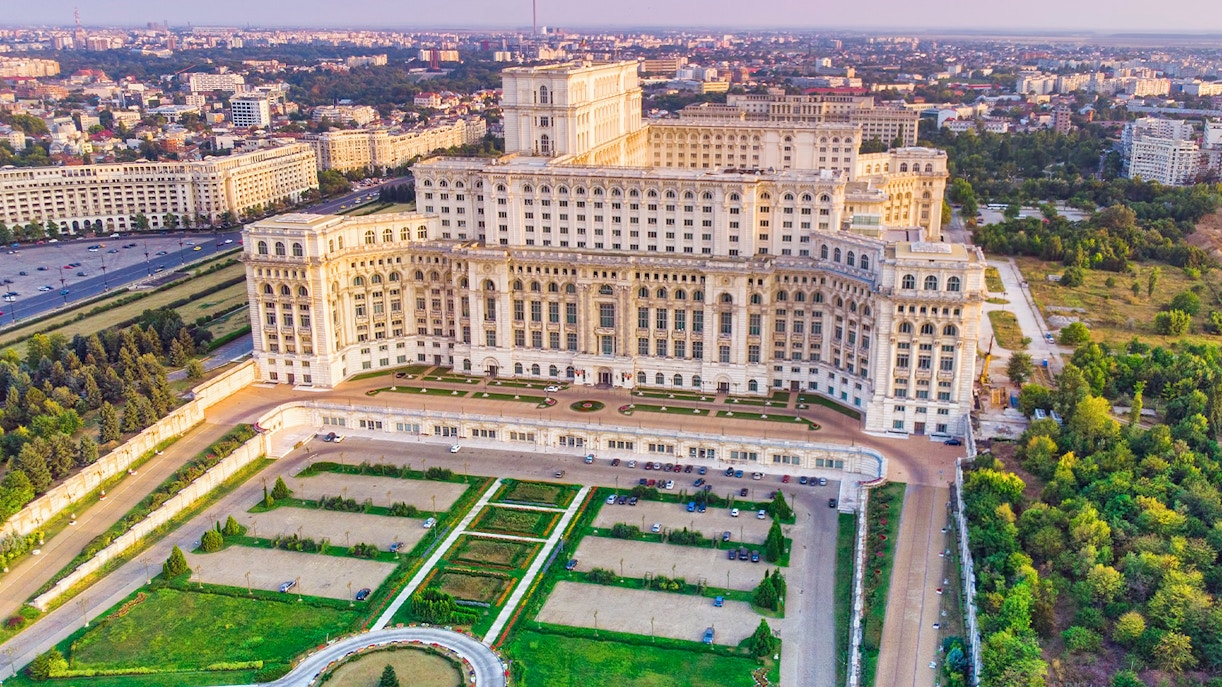
- The Palace of Parliament was built because Romania’s controversial communist leader, Nicolae Ceaușescu, wanted to show off his power and also because he wanted a safe haven to live in that would hold up even a nuclear attack.
- Ceaușescu decided to build the Palace of Parliament at a time when Romania was crippled financially due to mismanagement of medicine, food, funds, etc, causing resentment among people.
- The construction of the palace came at a significant cost, both in terms of resources and human lives. It is estimated that tens of thousands of workers toiled on the project, often under harsh conditions. Additionally, entire neighborhoods were demolished to make way for the building, displacing thousands of residents and sparking controversy both at home and abroad.
- It took around 13 years to construct the Palace of Parliament from 1984 to 1997. The interesting part is that the Palace of Parliament building was not ready when Ceaușescu was executed during the Romanian Revolution of 1989.
- Since the fall of communism, the palace has transformed, now serving as the seat of the Romanian Parliament and hosting various cultural events and international conferences. What was once the symbol of socialism, totalitarianism, and communism has now become a symbol of democracy.
Architecture of the Palace of Parliament, Romania
- The Palace of Parliament was designed by architect Anca Petrescu and built by a team of over 20,000 workers using materials from all over Romania. Its construction was a monumental undertaking, with no expense spared to showcase the might and prestige of the Romanian state.
- With over 1,100 rooms spread across an area of 365,000 m2, the Palace of Parliament is the second-largest administrative building and the heaviest building in the world.
- The architectural style of the Palace of Parliament is a blend of neoclassical and socialist realism, characterized by large supporting columns, long doors, lavish staircases, elegant arches, and football-sized rooms.
- One of the most remarkable features of the Palace of Parliament is its underground network of tunnels, which were intended to serve as escape routes during an emergency. These tunnels extend for miles beneath the surface, connecting various government buildings and providing a glimpse into the secretive world of Cold War politics.
Frequently asked questions about Palace of Parliament Bucharest
The Palace of Parliament Bucharest, also known as the People's Palace, is famous for its sheer size, opulent design, and controversial history. Spanning over 365,000 sqm and boasting over 1,100 rooms, the Bucharest Parliament House is the heaviest building in the world and the most expensive and controversial construction project of the 20th century. It is also an architectural masterpiece crafted from Romanian materials, employing traditional motifs alongside neoclassical and modernist elements.
The history of the Palace of Parliament Bucharest is steeped in controversy due to its association with Romania's communist regime under Nicolae Ceaușescu. Construction of the palace began in 1984, at a time when Romania was facing economic hardships and political oppression. The project resulted in the forced eviction of thousands of residents from the area, as well as the demolition of historic neighborhoods, including churches, synagogues, and homes, leading to widespread public outcry. Additionally, the lavishness of the palace, contrasted with the poverty experienced by many Romanians during that period, fueled further resentment and criticism.
The main entrance, Union Hall, Take Ionescu Hall, Alexandru Ioan Cuza Hall, Human Rights Hall, and Nicolae Titulescu Hall are some of the must-see areas at the House of Parliament Bucharest.
Allocate an hour to visit and explore the Palace of Parliament in Bucharest. Allocating an hour gives you ample time to see the different rooms, admire the intricate interiors, and learn about the rich and controversial history of the People's Palace Bucharest.
Yes, the Palace of Parliament Bucharest guided tours are available. These comprehensive tours offer in-depth insights into the palace’s history, architecture, and Ceaușescu’s life.
Yes, the Palace of Parliament Bucharest is wheelchair accessible. The curb-free entrances, accessible parking lots, elevators, and washrooms ensure disabled visitors can enjoy the entire experience without any hassle.
The best time of the day to visit the Palace of Parliament in Bucharest, Romania, is early in the morning to avoid large crowds. Additionally, visit the palace on a weekday to stay clear from the weekend rush.
Some of the other attractions near the Palace of Parliament Bucharest include the Revolution Square, Constitution Square, National Museum of Natural History, and Ceausescu Mansion.
Yes, skip-the-line tickets are available for visitors who wish to explore the Palace of Parliament Bucharest without the hassle of waiting in long queues. These tickets typically include priority access to the Palace of Parliament, Romania, a guided tour in English or Spanish, and the booking fee, ensuring a seamless and enjoyable experience for the visitors.
Yes, photography is allowed at the Palace of Parliament Bucharest; but, there are some restrictions to be aware of. Visitors are permitted to take photos using their mobile cameras free of charge. However, a small fee may apply if you wish to use a professional camera or equipment.
