Peles Castle through the ages | The jewel of Romanian royalty

Where Romania’s royal dream rose into a fairytale fortress

Perched in the fairytale town of Sinaia, Romania, Peles Castle is a Neo-Renaissance jewel built by King Carol I. More than a royal summer retreat, it became a symbol of modern Romania’s birth. Today, its opulent interiors, fascinating history, and mountain backdrop make it one of Europe’s most enchanting castles. On this page, you’ll discover its story, and plan your visit to Peles Castle will feel all the more magical.

Peles Castle timeline

  • 1873: Construction begins under King Carol I, who dreamed of a royal summer residence in Sinaia’s mountains.
  • 1883: Officially inaugurated with grand celebrations and Romania’s elites in attendance.
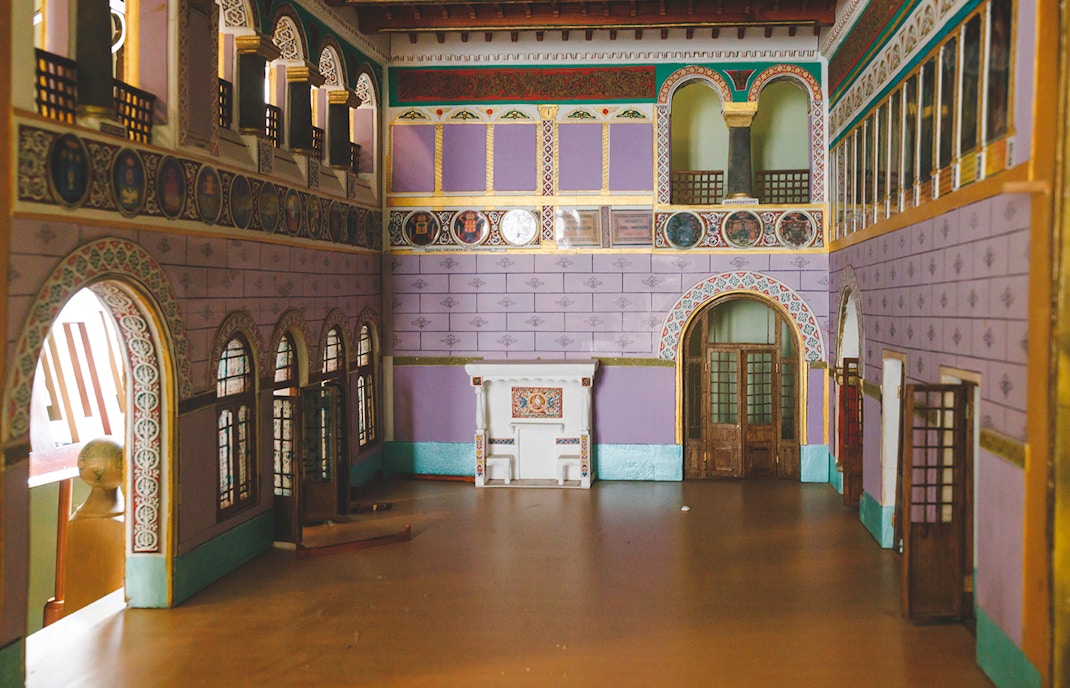
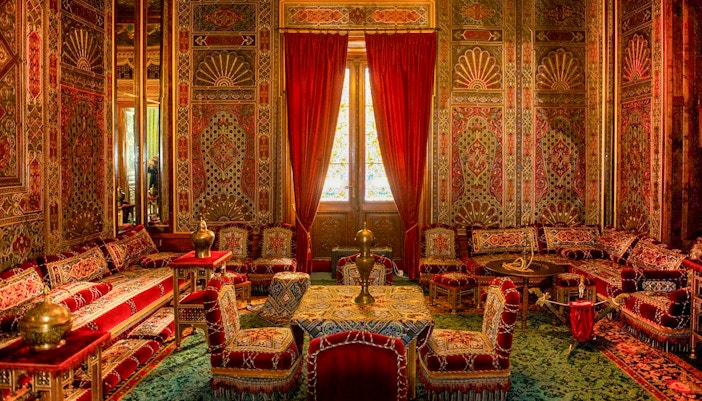
  • 1890s: New wings and themed rooms, like Turkish and Moorish, added to impress royal guests.
  • 1914: King Carol I passes away at Peles; his nephew, King Ferdinand, inherits the castle.
  • 1921: King Ferdinand and Queen Marie host European royals, cementing the castle’s diplomatic role.
  • 1947: Monarchy abolished; the castle seized by the Communist regime.
  • 1953: Transformed into a museum, welcoming visitors to explore its treasures.
  • 1989: Reopened to the public after the fall of Communism, regaining global recognition.
  • Today: Preserved as Romania’s royal jewel, attracting travelers from around the world.

History of Peles Castle explained

The Royal Dream of King Carol I

 1866–1873

Soon after becoming Romania’s first king, Carol I fell in love with Sinaia’s alpine landscape. He envisioned a summer retreat worthy of European royalty, symbolizing Romania’s ambitions for cultural and political recognition.
Construction and inauguration

1873–1883

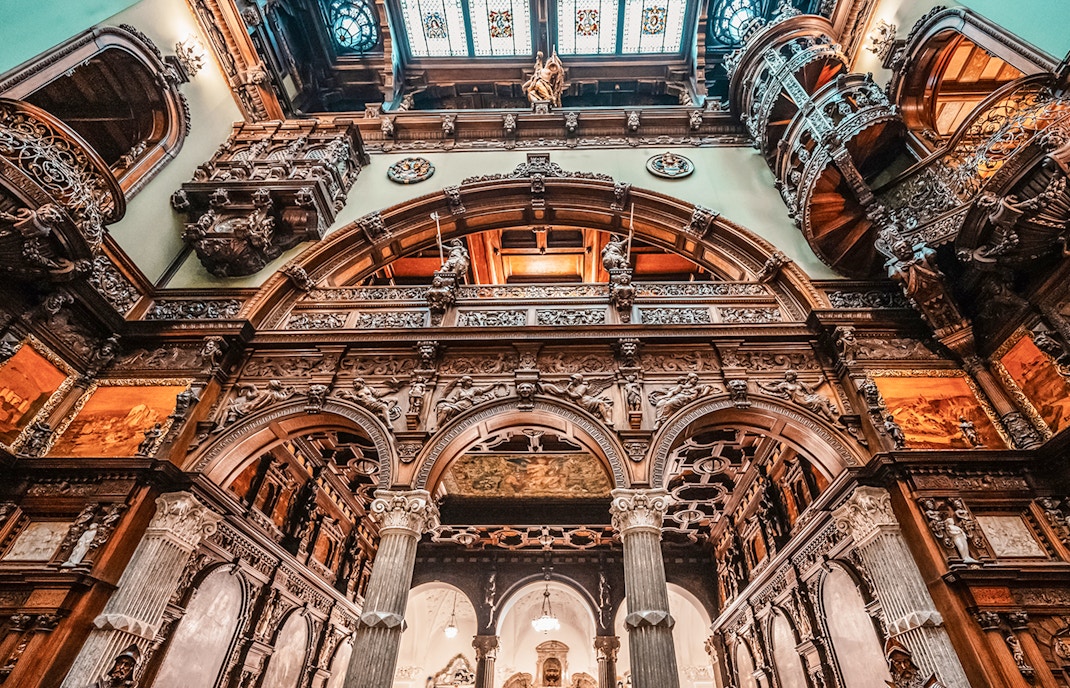
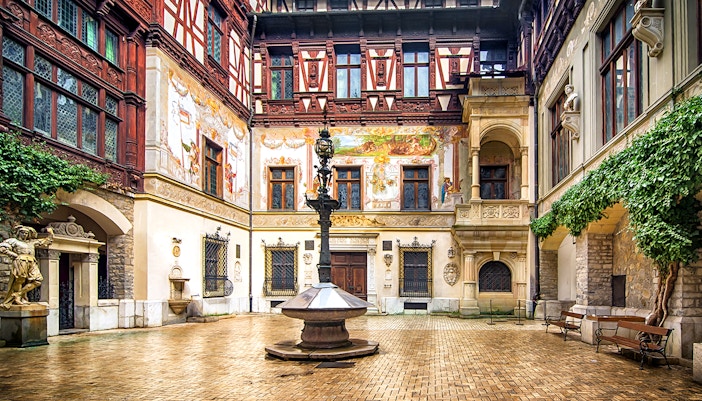
Building began in 1873, with German architect Wilhelm Doderer, and was later completed by Johannes Schultz. The 1883 inauguration showcased opulent interiors, making Peles a statement of modern Romania’s sophistication.

A hub of European royalty

1890s–1920s

Peles became a stage for royal diplomacy. Dignitaries from across Europe, including emperors and kings, visited, while themed rooms highlighted Romania’s openness to diverse cultures.

The shadow of politics

1947–1953

With the monarchy abolished, the Communist regime seized the castle. For decades, it was closed to the public, used exclusively by party officials and foreign delegations.

Rebirth as a cultural treasure

1990s–today

After the fall of Communism, Peles reopened to visitors. Today, it blends historical intrigue with fairytale charm, standing as a proud symbol of Romania’s cultural heritage.

Construction of Peles Castle

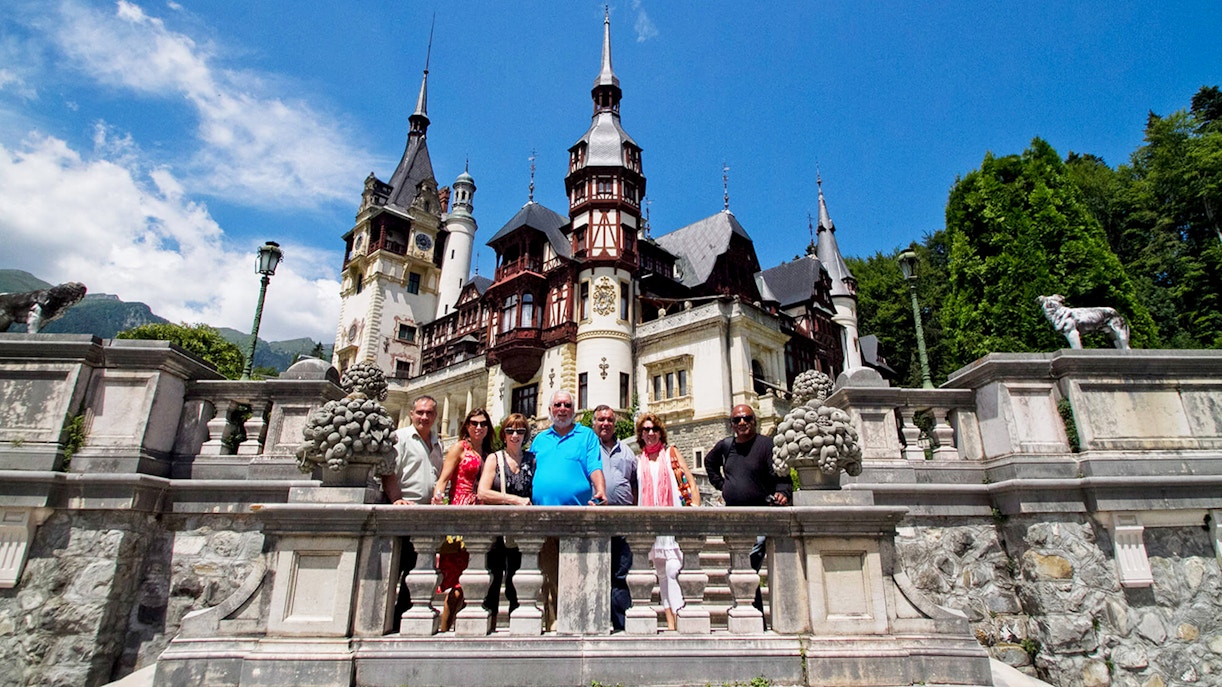
Guests standing in front of Peles Castle, Romania, with ornate architecture and spires in the background.
  • Construction began in 1873, commissioned by King Carol I, who oversaw every detail.
  • Architects Wilhelm Doderer and Johannes Schultz shaped its Neo-Renaissance style with German craftsmanship.
  • Later expansions by Karel Liman added striking towers and richly themed rooms.
  • Innovative for its time: one of Europe’s first castles with electricity and central heating.
  • Challenging terrain: building materials had to be hauled through dense forests and steep mountains.
  • Architectural fusion: Italian grace, Gothic revival, and German precision blended into one masterpiece.

Peles Castle today

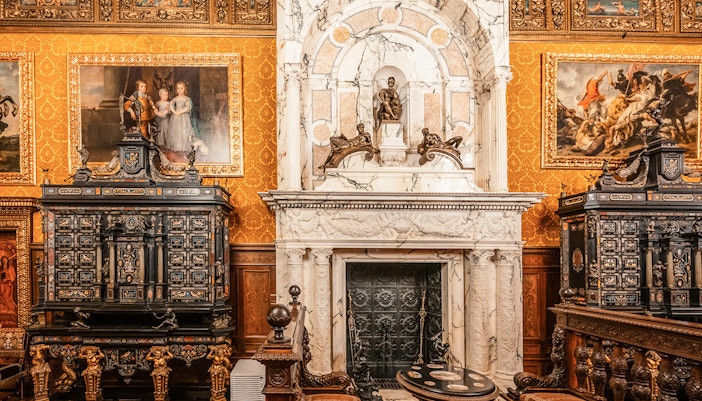
Today, Peles Castle is Romania’s most visited attraction, drawing history lovers, architecture buffs, and curious travelers alike. Its rich past echoes through lavish rooms, royal portraits, and themed salons. Framed by the Carpathian Mountains, the castle feels like stepping into a storybook, where Romania’s royal legacy meets breathtaking natural beauty. Whether you’re exploring its halls or gazing at its turrets from the gardens, Peles Castle is a must-visit, an experience that’s regal, personal, and unforgettable.

Frequently asked questions about Peles Castle’s history

Peles Castle is over 140 years old, inaugurated in 1883.